

 India Authentic Tours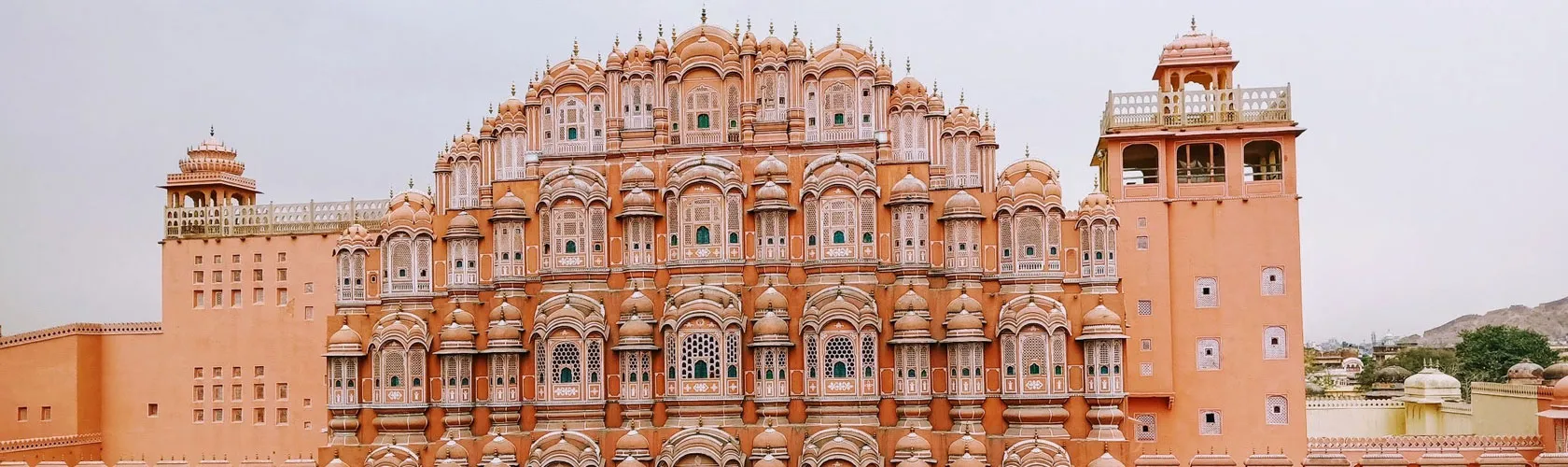
Explore the vibrant traditions, royal heritage, folk arts, festivals, cuisine, and timeless customs that define the soul of Rajasthan.
Rajasthan, often called the “Land of Kings,” is not only known for its grand forts and palaces but also for its rich cultural heritage. The traditions of Rajasthan are deeply rooted in history, shaped by centuries of Rajput valor, Mughal influence, desert lifestyle, and spiritual beliefs. From colorful attire and folk music to elaborate festivals and exquisite handicrafts, Rajasthani culture reflects pride, hospitality, and resilience.
Visitors to Rajasthan often say that the culture is as magnificent as its architecture. Every region — whether Jaipur, Jodhpur, Jaisalmer, Udaipur, or Bikaner — offers a slightly different flavor of tradition while maintaining a strong shared identity.
The backbone of Rajasthani culture is its royal heritage. The Rajput rulers shaped the identity of the region through bravery, honor, and architectural brilliance. Magnificent forts such as Amber Fort, Mehrangarh Fort, and Jaisalmer Fort stand as symbols of Rajput strength and artistic excellence.
Royal traditions are still preserved in palace ceremonies, local customs, and heritage hotels. Many former royal families continue to maintain their ancestral homes, offering visitors a glimpse into aristocratic lifestyles.
Rajasthani clothing is among the most colorful in India. Women wear ghagra (long skirts), choli (blouses), and odhani (veils), often decorated with mirror work and embroidery. Bright reds, yellows, and blues dominate desert fashion.
Men traditionally wear dhoti or kurta with a colorful turban (pagdi). The turban style varies from region to region and often signifies social status or community identity.
Music and dance are integral to Rajasthani culture. Folk songs narrate tales of heroism, romance, and devotion. Instruments like the dholak, sarangi, and kamayacha are commonly used.
Popular folk dances include:
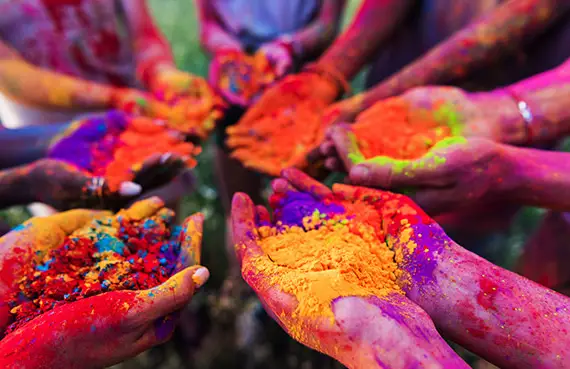
Festivals bring Rajasthan to life with vibrant celebrations, music, and rituals. Major festivals include:
The cuisine of Rajasthan reflects its desert geography. Limited water availability led to the creation of dishes that can be stored for long periods.
Popular dishes include:
Meals are often served on traditional thalis with generous hospitality.
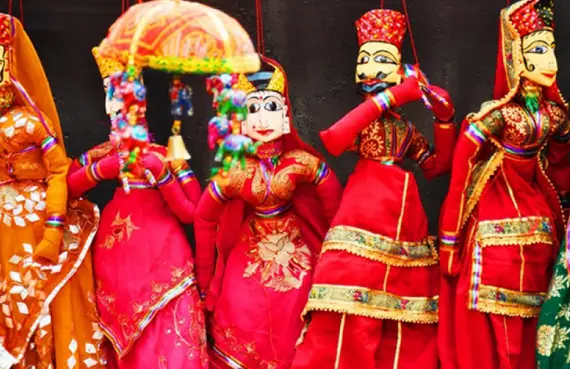
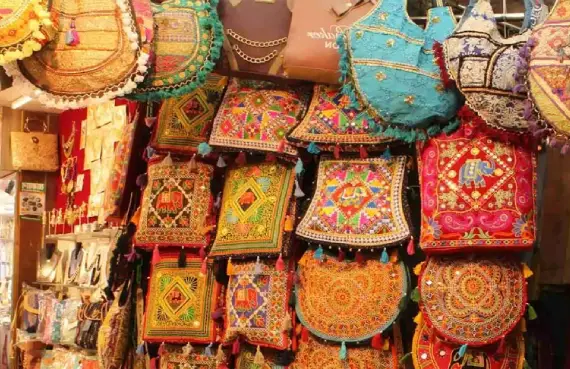
Rajasthan is famous for handicrafts and artisan work. Block printing in Jaipur, blue pottery, miniature paintings in Udaipur, and marble carving are globally admired.
Carpets, leather goods, embroidered textiles, and gemstone jewelry are widely available in local bazaars.
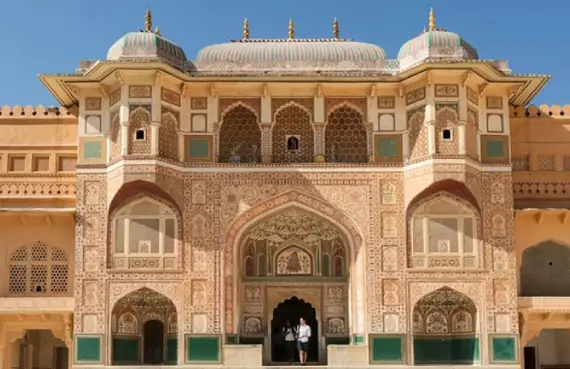
Rajasthani architecture combines Rajput and Mughal influences. Intricately carved balconies (jharokhas), courtyards, and sandstone facades define cities like Jaisalmer and Jodhpur.
The havelis (merchant mansions) of Shekhawati and Jaisalmer are decorated with fresco paintings and delicate stone carvings.
Rural Rajasthan preserves traditional lifestyles. Villages maintain age-old crafts, farming practices, and social customs. Camel carts, mud houses, and local markets offer authentic cultural experiences.
Rajasthan is home to Hindu, Jain, Muslim, and tribal communities living harmoniously. Temples like the Brahma Temple (Pushkar) and Dilwara Jain Temples (Mount Abu) attract spiritual travelers.
The phrase “Padharo Mhare Des” means “Welcome to my land.” Rajasthani hospitality is warm and generous. Guests are treated with respect and offered traditional meals and cultural experiences.
While Rajasthan has modern cities and infrastructure, its cultural traditions remain intact. Heritage conservation, tourism, and local pride ensure that traditions are passed on to future generations.
Rajasthani culture is a vibrant tapestry woven with royal heritage, colorful traditions, music, festivals, cuisine, and art. Exploring Rajasthan is not just about sightseeing; it is about immersing yourself in centuries-old customs and experiencing the warmth of its people. Whether attending a desert festival, tasting traditional cuisine, or witnessing a folk dance performance, Rajasthan offers a cultural journey like no other.
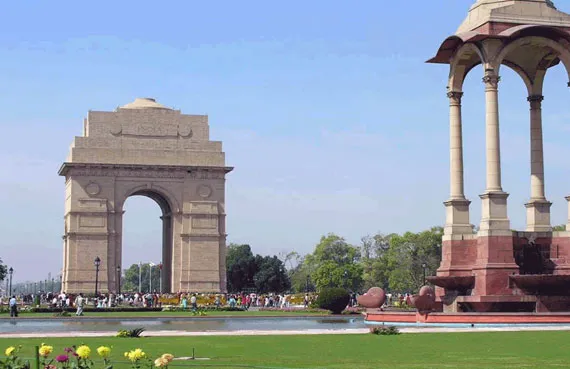 Golden Triangle India Tour Itinerary
Complete Golden Triangle Travel Guide
Golden Triangle India Tour Itinerary
Complete Golden Triangle Travel Guide
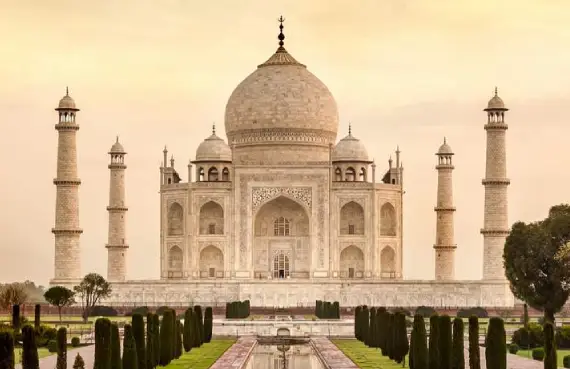 Golden Triangle 3 Days Itinerary
Golden Triangle 5 Days Itinerary
Golden Triangle 7 Days Itinerary
Golden Triangle 3 Days Itinerary
Golden Triangle 5 Days Itinerary
Golden Triangle 7 Days Itinerary
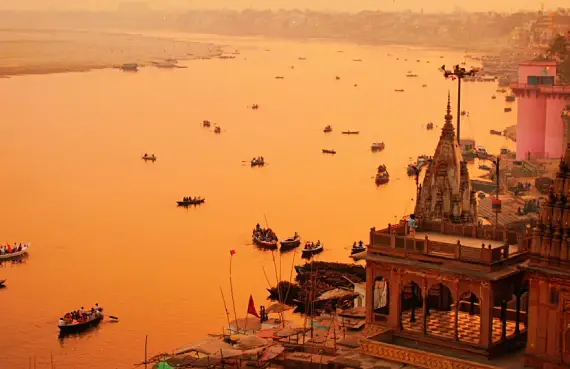 Golden Triangle with Varanasi
 Golden Triangle with Udaipur
 Luxury Golden Triangle Tour
Best Time for Golden Triangle Tour
Golden Triangle Travel Tips
Best Places to Visit in Rajasthan
Best Things to Do in Rajasthan
Rajasthan Tour Packages Guide
Luxury Golden Triangle Tour
Best Time for Golden Triangle Tour
Golden Triangle Travel Tips
Best Places to Visit in Rajasthan
Best Things to Do in Rajasthan
Rajasthan Tour Packages Guide
 Rajasthani Culture Guide
 Rajasthani Festivals Guide
Holi in Rajasthan
Rajasthani Festivals Guide
Holi in Rajasthan
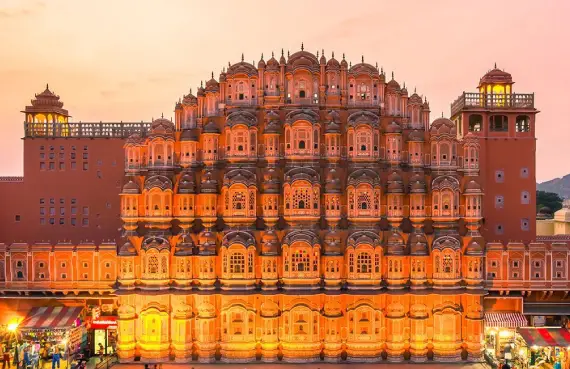 Jaipur Travel Guide
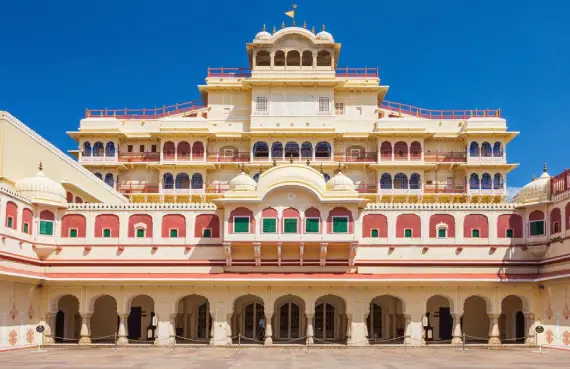 Udaipur Travel Guide
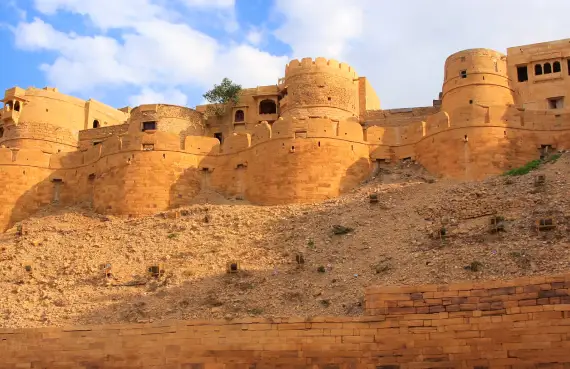 Jaisalmer Travel Guide
Jodhpur Travel Guide
Mount Abu Travel Guide
Ranthambore Safari Guide
Pushkar Travel Guide
Bikaner Travel Guide
Best Time to Visit India
Best Tourist Places in India
Best Travel Destinations in India
India Visa & Passport Guide
Jaisalmer Travel Guide
Jodhpur Travel Guide
Mount Abu Travel Guide
Ranthambore Safari Guide
Pushkar Travel Guide
Bikaner Travel Guide
Best Time to Visit India
Best Tourist Places in India
Best Travel Destinations in India
India Visa & Passport Guide
 Car Rental Services in India
 India Travel Budget Guide
Backpacking in India Guide
Family Travel in India
Luxury India Tours Guide
Shopping Guide in India
Best Honeymoon Destinations India
Train Travel in India
Airport Transfers in India
India Travel Budget Guide
Backpacking in India Guide
Family Travel in India
Luxury India Tours Guide
Shopping Guide in India
Best Honeymoon Destinations India
Train Travel in India
Airport Transfers in India