

 India Authentic Tours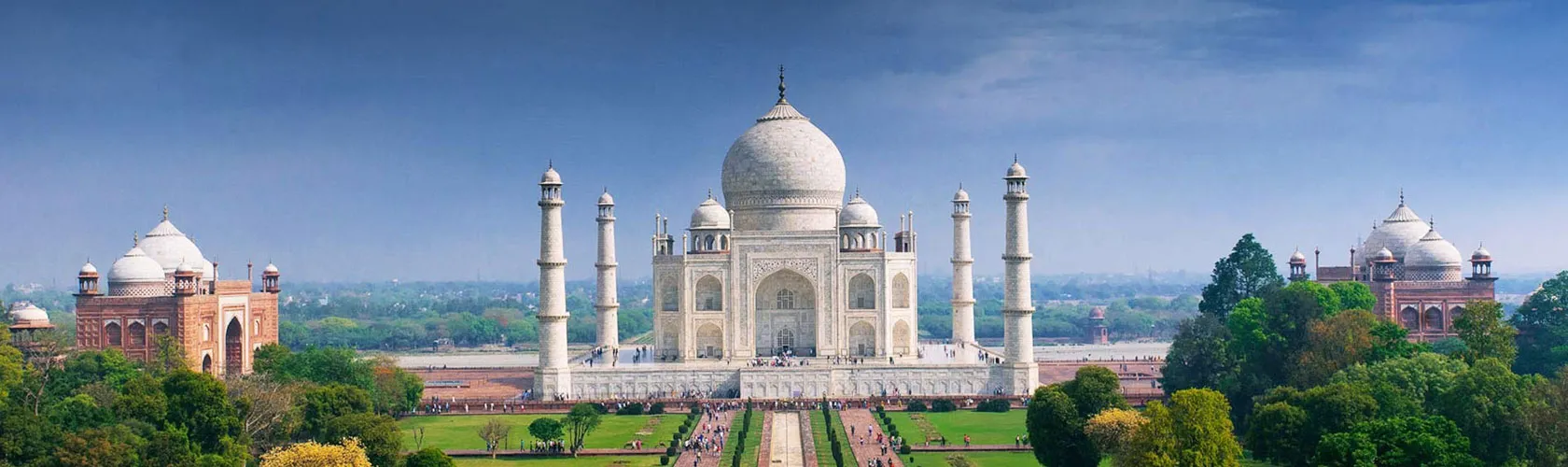
Plan your Golden Triangle trip with the perfect weather and vibrant festivals in mind. This guide helps you select the best season for a memorable North India journey.
The Golden Triangle of India, comprising Delhi, Agra, and Jaipur, is a top travel destination for international and domestic tourists. Each city offers unique experiences — from Mughal architecture to royal palaces, bustling bazaars, and vibrant culture. Choosing the right time to visit ensures comfortable weather, optimal sightseeing, and memorable experiences.
North India experiences four main seasons: winter (November–February), summer (March–June), monsoon (July–September), and post-monsoon (October). Winters are mild and ideal for sightseeing, summers can be hot especially in Jaipur and Agra, and monsoon season brings occasional rains but lush greenery. Post-monsoon offers a pleasant climate with fewer crowds.
Winter is the most popular time for visiting the Golden Triangle. Daytime temperatures range between 15–25°C, perfect for sightseeing. Nights can be chilly, especially in Delhi, so pack light woolens. Festivals such as Diwali (October–November) or Christmas (December) add extra vibrancy. Monuments like the Taj Mahal and Amber Fort are best enjoyed during cooler mornings.
Spring is characterized by mild temperatures and blooming gardens. March sees pleasant weather while April–May can get quite hot, especially in Jaipur, with temperatures exceeding 40°C. Early mornings are ideal for sightseeing. This season is also great for cultural events and local fairs.
The monsoon season brings intermittent rain and humidity. While sightseeing can be challenging due to occasional showers, the landscape turns lush and green. Prices are lower and tourist crowds are thinner, making it ideal for budget travelers or photographers seeking natural beauty.
Festivals enhance the travel experience in the Golden Triangle:
Winter season allows tourists to explore comfortably without fatigue caused by heat. Sunrise and sunset views at the Taj Mahal are more striking, outdoor markets in Jaipur are lively, and Delhi sightseeing is pleasant. This period also coincides with wedding season in India, making royal heritage hotels and cultural events more active.
If visiting during April–June:
Travelers choosing July–September should:
The Golden Triangle is an evergreen destination, offering historical, cultural, and architectural wonders year-round. Winter months (November–February) are ideal for first-time visitors, while spring and monsoon seasons cater to travelers seeking fewer crowds or lush scenery. By planning according to season, travelers can make the most of Delhi, Agra, and Jaipur, capturing India’s heritage, cuisine, and vibrant traditions.
Choosing the right time ensures comfort, safety, and memorable experiences. Festivals, weather, and local events all play a role in crafting the perfect Golden Triangle journey. Whether seeking photography, cultural immersion, or a historical tour, this guide helps visitors maximize their North India adventure.
 Golden Triangle India Tour Itinerary
Complete Golden Triangle Travel Guide
Golden Triangle India Tour Itinerary
Complete Golden Triangle Travel Guide
 Golden Triangle 3 Days Itinerary
Golden Triangle 5 Days Itinerary
Golden Triangle 7 Days Itinerary
Golden Triangle 3 Days Itinerary
Golden Triangle 5 Days Itinerary
Golden Triangle 7 Days Itinerary
 Golden Triangle with Varanasi
 Golden Triangle with Udaipur
 Luxury Golden Triangle Tour
Best Time for Golden Triangle Tour
Golden Triangle Travel Tips
Best Places to Visit in Rajasthan
Best Things to Do in Rajasthan
Rajasthan Tour Packages Guide
Luxury Golden Triangle Tour
Best Time for Golden Triangle Tour
Golden Triangle Travel Tips
Best Places to Visit in Rajasthan
Best Things to Do in Rajasthan
Rajasthan Tour Packages Guide
 Rajasthani Culture Guide
 Rajasthani Festivals Guide
Holi in Rajasthan
Rajasthani Festivals Guide
Holi in Rajasthan
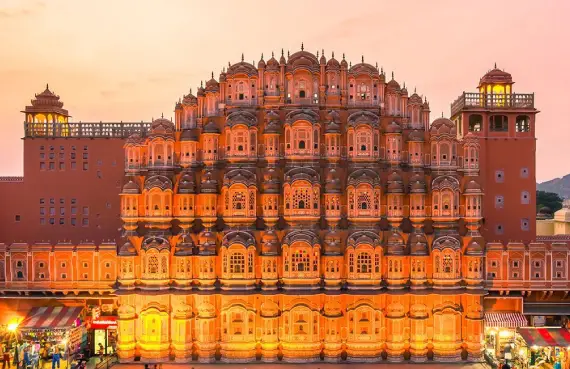 Jaipur Travel Guide
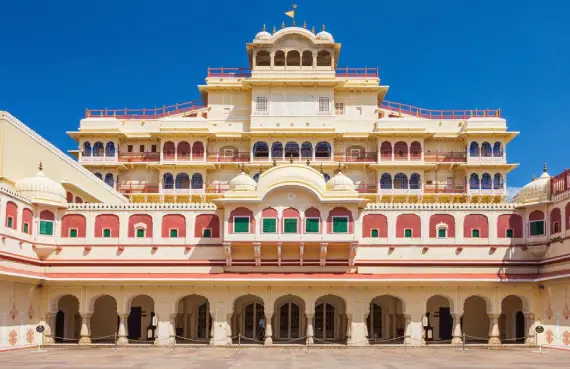 Udaipur Travel Guide
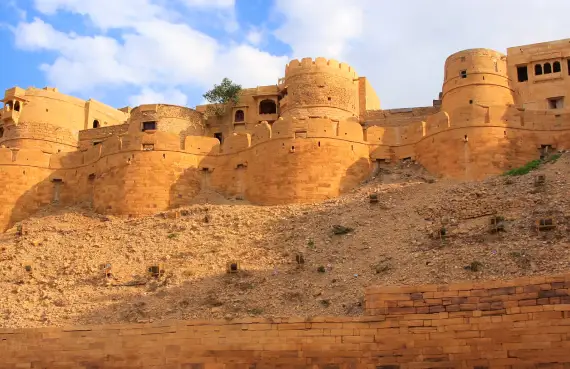 Jaisalmer Travel Guide
Jodhpur Travel Guide
Mount Abu Travel Guide
Ranthambore Safari Guide
Pushkar Travel Guide
Bikaner Travel Guide
Best Time to Visit India
Best Tourist Places in India
Best Travel Destinations in India
India Visa & Passport Guide
Jaisalmer Travel Guide
Jodhpur Travel Guide
Mount Abu Travel Guide
Ranthambore Safari Guide
Pushkar Travel Guide
Bikaner Travel Guide
Best Time to Visit India
Best Tourist Places in India
Best Travel Destinations in India
India Visa & Passport Guide
 Car Rental Services in India
 India Travel Budget Guide
Backpacking in India Guide
Family Travel in India
Luxury India Tours Guide
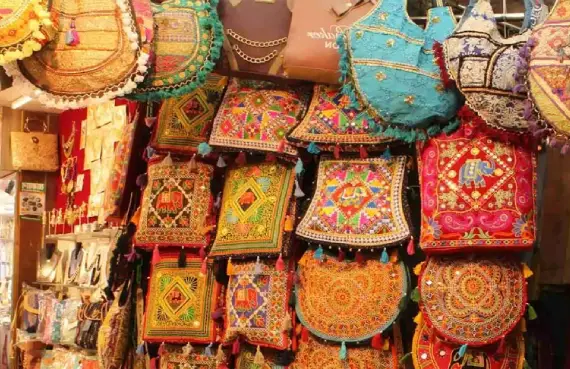
Shopping Guide in India
Best Honeymoon Destinations India
Train Travel in India
Airport Transfers in India
India Travel Budget Guide
Backpacking in India Guide
Family Travel in India
Luxury India Tours Guide
Shopping Guide in India
Best Honeymoon Destinations India
Train Travel in India
Airport Transfers in India